Knob-and-Tube Wiring in Nelson BC: What Buyers and Sellers Should Know
Knob-and-Tube Wiring in Nelson BC: What Buyers and Sellers Should Know
Understanding older electrical systems, home inspection findings and insurance considerations in Nelson and the Kootenays.
Older homes are part of what makes Nelson and the surrounding Kootenays so distinctive. From heritage houses to charming character homes, many properties have a history that stretches back generations.
That history can also include older building materials and systems, including knob-and-tube electrical wiring.
Finding knob-and-tube wiring during a home inspection doesn't automatically mean a property is unsafe or that a transaction can't proceed. It does mean there are important questions to ask about the condition of the electrical system, insurance requirements and potential upgrades.
In the first article of our Home Inspection Series, we explore what knob-and-tube wiring is, why it matters, and what buyers and sellers should do when it appears in an inspection report.
What Is Knob-and-Tube Wiring?
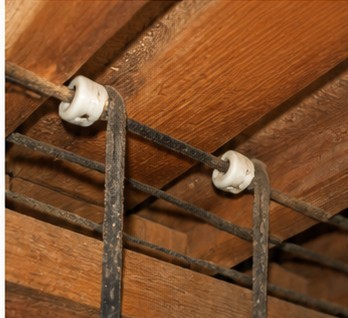
Knob-and-tube wiring was an early electrical wiring method used in many homes during the first half of the 20th century.
Individual insulated electrical conductors were supported by porcelain knobs and protected by porcelain tubes where they passed through wooden framing.
Unlike modern wiring, these systems generally did not include a grounding conductor. They were also designed for a time when homes had fewer electrical appliances, fewer outlets and much lower electrical demand than is common today.
In Nelson, where many homes were built decades ago, it is not unusual for a home inspector to encounter evidence of older electrical systems.
What Does a Home Inspector Look For?
A home inspection is primarily a visual examination of accessible components. An inspector may observe porcelain knobs or tubes, older conductors, ungrounded outlets, an older fuse panel or evidence that wiring has been modified over time.
However, much of a home's electrical system is concealed inside walls, ceilings and other inaccessible areas.
A visual inspection generally cannot establish the full extent of older wiring or determine the condition of every circuit.
The important question is not simply whether knob-and-tube wiring is present. It is whether the wiring is active, how much of the home it serves and what condition it is in.
A licensed electrical contractor can conduct a more detailed assessment, identify potential safety concerns and recommend appropriate repairs or upgrades.
Why Can Knob-and-Tube Wiring Be a Concern?
The presence of an older electrical system does not automatically establish that it is unsafe. The concern is that wiring can deteriorate, be altered improperly or be subjected to electrical demands it was not designed to handle.
Potential issues include:
- Insulation that has become brittle, damaged or deteriorated over time.
- Circuits carrying more electrical demand than originally intended.
- Oversized fuses or inadequate circuit protection.
- Unsafe connections or splices.
- Additional outlets or modern wiring connected to older circuits.
- Electrical alterations completed without appropriate permits or inspections.
Another consideration is insulation. Some older wiring systems were installed with open air around the conductors. Adding insulation around active knob-and-tube wiring can introduce additional concerns.
BC Hydro's insulation guidance recommends checking older homes for knob-and-tube wiring and having active wiring decommissioned before proceeding with insulation upgrades.
What About Home Insurance?
Insurance is one of the most important practical considerations when knob-and-tube wiring is identified.
Insurance companies may have specific requirements for properties with older electrical systems.
Depending on the insurer and the condition of the property, they may request:
- An assessment by a licensed electrical contractor.
- Documentation showing previous electrical upgrades.
- Repairs to identified deficiencies.
- Partial or complete replacement of older wiring.
Insurance requirements vary between providers, so buyers should not assume that a property will be insurable under the same terms as another home.
It is particularly important to confirm insurance availability early in the purchasing process.
Since lenders generally require suitable property insurance before completion, an insurance issue can also affect financing and closing.
What Should Buyers Do?
If knob-and-tube wiring is identified or suspected during a home inspection, consider the following steps:
- Include an appropriate home inspection condition in the purchase offer.
- Arrange a more detailed assessment by a licensed electrical contractor.
- Ask the seller for available electrical permits, invoices and upgrade records.
- Contact an insurance broker early and obtain written confirmation of suitable coverage.
- Obtain estimates for any recommended repairs or replacement before making a final decision.
What Should Sellers Do?
For sellers of older homes, preparation and accurate information can help avoid unnecessary surprises.
- Gather available electrical permits, invoices and inspection reports.
- Avoid describing a property as "fully rewired" unless that statement can be supported.
- Consider a pre-listing electrical assessment if the condition or extent of older wiring is uncertain.
- Use qualified professionals for electrical repairs and upgrades.
- Be prepared to provide accurate information about known electrical work and existing documentation.
A clearer understanding of the electrical system can help buyers evaluate the property and reduce uncertainty during the transaction.
The Practical Takeaway
Knob-and-tube wiring is not a diagnosis by itself. It is a signal to investigate.
Many older homes have been updated over time, and the presence of historical wiring does not tell the whole story of a property.
What matters is understanding whether older wiring remains active, what condition it is in, and whether professional assessment or upgrades are necessary.
For buyers, that means asking the right questions before removing conditions. For sellers, it means gathering reliable information and being prepared to address questions about the home's electrical history.
At Bennett Family Real Estate, we believe that informed decisions begin with clear information, particularly when buying or selling one of the Kootenays' many character and heritage homes.
Helpful Resources
The following organizations provide additional information about home buying, electrical work and insurance.
- BC Financial Services Authority Buying a Home
- BC Hydro New Insulation Installation Tips
- Technical Safety BC Electrical Licences
- Insurance Bureau of Canada How Home Insurance Rates Are Set
Explore Our Home Inspection Series
From electrical systems to other common inspection findings, our ongoing series helps buyers and sellers better understand the homes of Nelson and the Kootenays.
Explore the SeriesThis article is provided for general educational purposes only. It is not a substitute for a professional home inspection, electrical assessment, insurance advice or legal advice. Consult appropriately qualified professionals about the condition and requirements of a specific property.
Categories
Recent Posts