

Every Home Has a Story.
Understanding common home inspection findings in Nelson, BC and the surrounding Kootenays.
Every home has a story, and in a place like Nelson, that story can stretch back generations. From heritage houses and character homes to newer construction and rural properties, the homes in our region are as varied as the people who live in them.
When buying or selling a home, a building inspection is an important part of understanding the property's condition. But inspection reports can sometimes feel overwhelming, particularly when they identify unfamiliar materials, aging systems or potential concerns.
Not every inspection finding is a deal-breaker. But every finding deserves to be understood.
At Bennett Family Real Estate, we believe that informed buyers and sellers are better equipped to make confident decisions.
That's why we've created our Building Inspection Series, an ongoing collection of straightforward articles exploring common findings in Nelson and Kootenay homes.
What You'll Learn
Our goal isn't to create unnecessary concern. It's to make the inspection process easier to understand, encourage the right questions and help homeowners recognize when qualified professional advice is needed.
Whether you're preparing to sell, searching for your next home or simply curious about the property you own, we hope this series becomes a useful local resource.
Knob-and-Tube Wiring
What Buyers and Sellers Should Know About Older Electrical Systems
Knob-and-tube wiring is a common finding in many older homes in Nelson and across the Kootenays. It reflects the time period when a home was built, but it does not tell the whole story of its electrical system.
For buyers and sellers, the important questions are whether the wiring is still active, what condition it is in, and whether further investigation or upgrades may be needed.
What Is Knob-and-Tube Wiring?
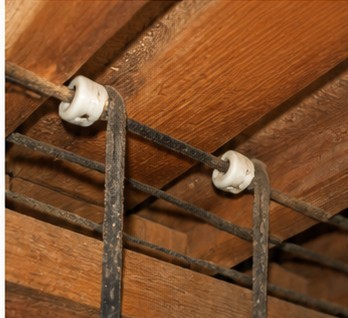
Knob-and-tube was an early wiring method used in many homes built during the first half of the 20th century. Individual insulated conductors were supported by porcelain knobs and protected by porcelain tubes where they passed through wood framing.
Unlike modern wiring, knob-and-tube systems generally did not include a grounding conductor. They were designed when homes had fewer electrical appliances, outlets and lower overall electrical demand than we have today.
What Can a Home Inspector See?
A home inspection is primarily visual. An inspector may identify porcelain knobs or tubes, older conductors, an older fuse panel, ungrounded outlets or evidence that several types of wiring are present.
These observations are useful, but much of the electrical system may be concealed inside walls and ceilings.
The key question is not simply, “Is it there?” It is whether the wiring is active, how much of the home it serves and what condition it is in.
A licensed electrical contractor can assess the condition, identify potentially improper alterations and determine whether circuits have appropriate protection.
Why Condition and Alterations Matter
Age alone does not describe the condition of an electrical system. Potential concerns include:
- Damaged or deteriorated insulation
- Overloaded circuits or oversized fuses
- Unsafe electrical connections or splices
- Outlets added to older circuits
- Different generations of wiring connected together
- Electrical alterations completed without appropriate permits or inspections
Insulation and energy upgrades also require care. BC Hydro retrofit guidance recommends checking pre-1950 homes for knob-and-tube wiring and decommissioning active wiring before new insulation or weatherization work proceeds.
How Can It Affect Insurance?
Insurers commonly ask about older electrical systems, including knob-and-tube wiring. Requirements vary. An insurer may request an electrical inspection, proof of previous upgrades, specific repairs or complete replacement before offering or continuing coverage.
Buyers should speak with an insurance broker early and obtain written confirmation that suitable coverage is available.
Because lenders normally require property insurance before completion, insurance difficulties can also become financing and closing concerns.
The Practical Takeaway
Knob-and-tube wiring is not a diagnosis by itself. It is a signal to investigate.
A clear electrical assessment, an early insurance conversation and a realistic understanding of possible upgrades can help buyers avoid surprises and help sellers keep an older-home transaction moving.
What Should Buyers Do?
- Keep an appropriate home inspection condition in the offer.
- Arrange an assessment by a licensed electrical contractor if older wiring is suspected.
- Ask for available permits, invoices and electrical upgrade records.
- Confirm insurance availability during the subject period.
- Obtain repair or replacement estimates before making a decision.
What Should Sellers Do?
Gather any available electrical permits, invoices and reports from previous work.
Avoid describing a home as “fully rewired” unless that statement can be supported.
A pre-listing electrical assessment may clarify whether older wiring remains active, identify priorities and provide buyers with better information.
Electrical repairs should always be left to appropriately qualified professionals.
Helpful Resources
Buying a Home
Visit Resource →New Insulation Installation Tips
Visit Resource →Electrical Licences
Visit Resource →How Home Insurance Rates Are Set
Visit Resource →This article provides general information and is not an electrical inspection or an insurance determination. Consult qualified electrical and insurance professionals about a specific property.
Confident decisions.